
Coping with limb loss: the emotional side of recovery
Recovering from limb loss is not only physical. Alongside healing and learning a prosthesis, there is an emotional journey that deserves the same care and patience. Many people move through something like grief — and many also rediscover confidence, independence, and joy. If you or someone you love is in the thick of it, this is a gentle map of what is normal and what helps.
The short version
Strong emotions after limb loss are normal, not a weakness. Adjustment takes time and rarely moves in a straight line. Connection — with loved ones, professionals, and others who have been there — makes a real difference, and so does reclaiming the activities that matter to you.
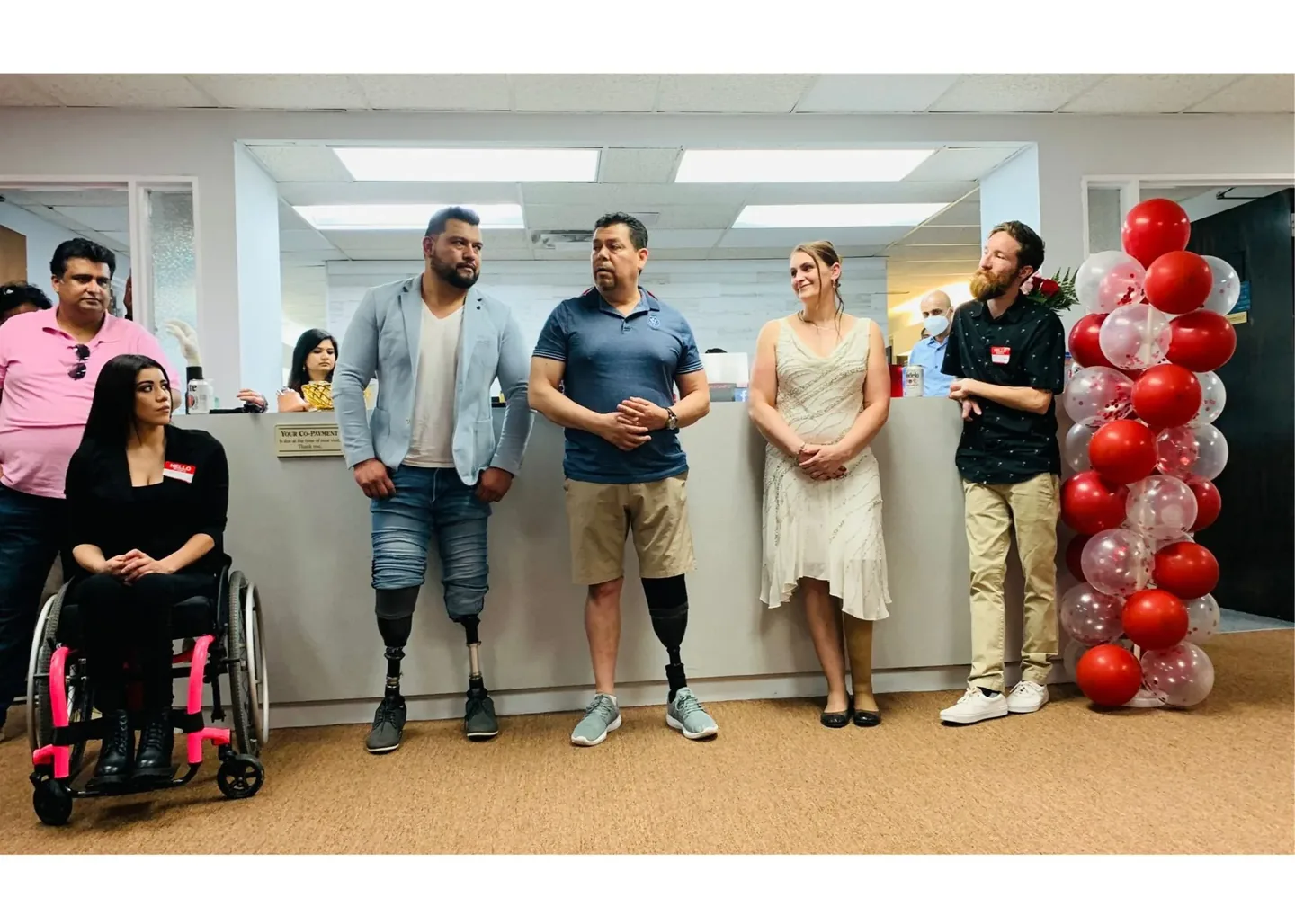
Grief is normal
It is common to grieve a limb the way you would any significant loss: shock, sadness, anger, and eventually acceptance, often in waves rather than tidy stages. There is no “right” timeline and no need to put on a brave face. Naming what you feel is part of working through it.
Adjusting to a new normal
Everyday routines change, and that can be frustrating before it becomes second nature. Small wins — a task done independently, a few confident steps — build momentum. Bodies and brains are remarkably adaptable, and most people find that what feels impossible early on becomes ordinary with time and practice.
Where support helps
- People who care about you: letting family and friends help is part of healing, not a burden on them.
- Mental-health professionals: a counselor or psychologist can help with grief, anxiety, or low mood — reaching out is a sign of strength.
- Peer support: talking with others who have experienced limb loss can be uniquely reassuring; many regions and organizations have amputee support groups.
- Your care team: prosthetists, therapists, and physicians can answer the practical questions that often fuel anxiety.
Identity, body image, and confidence
It is normal to feel self-conscious at first. Some people choose a lifelike, skin-toned prosthesis; others wear theirs proudly as high-tech or boldly colored. There is no wrong choice — the device should reflect you. Getting back to work, hobbies, and sport, even in adapted ways, is often where confidence returns.
If things feel heavy
Persistent hopelessness, trouble sleeping or eating, or losing interest in everything are signs to reach out to a professional or your physician. If you ever feel unsafe, contact local emergency services or a crisis line in your area. You do not have to carry this alone.
How Quantum helps
We see the whole person, not just the limb. We take time at every visit, involve your family when you want, and aim to make the process feel hopeful and human. Getting you back to the things you love is the point.
Supporting a loved one through limb loss
If someone you love has had an amputation, your steady presence matters more than perfect words. Listen without rushing to fix things, follow their lead on how much help they want, and celebrate the small wins with them. Practical help — rides to appointments, a hand with daily tasks early on, learning the basics of their device — lightens real burdens. Watch for signs they’re struggling emotionally, and gently encourage professional support if low mood lingers. Taking care of yourself, too, keeps you able to keep showing up.
Getting back to work, driving, and routine
Returning to familiar life is often where confidence is rebuilt. Many people go back to work, sometimes with adaptations or a phased schedule, and a frank conversation with an employer about what helps can smooth the way. Driving is frequently possible again, sometimes with vehicle modifications and after any required clearance — ask your team about local rules. Hobbies and sport are worth reclaiming, even in adapted forms. Each ordinary thing you take back is a reminder that limb loss changed your life without ending it.
Connecting with the amputee community
Few things help as much as talking with someone who has walked the same road. Peer support — through local amputee groups, hospital programs, national organizations, and online communities — offers practical tips and the simple reassurance that life goes on, often richly. Adaptive sports and recreation programs are another powerful way to rebuild confidence and meet others. Ask your care team what’s available in your area; many people find that the community becomes one of the most unexpectedly positive parts of their recovery.
Questions about your own journey? A free consult is the fastest answer
Whenever you are ready, we are here. Read our first-year guide for new amputees or book a free consultation.