Targeted muscle reinnervation (TMR): a patient guide
Targeted muscle reinnervation — usually shortened to TMR — is a surgical technique that reroutes the nerves left after an amputation to nearby healthy muscle. Those muscles then act as biological amplifiers for the nerve signals, which can make a powered prosthesis easier and more intuitive to control, and can also calm two of the most stubborn problems after limb loss: nerve pain and phantom pain.
This guide explains what TMR does, why it helps, and how it fits into prosthetic care at Quantum.
The short version
TMR is performed by a surgeon, often at the time of amputation or later as a revision. By giving amputated nerves a new muscle to connect to, it can sharpen the signals a myoelectric prosthesis reads and reduce painful neuromas. It is not right for everyone, and it works best as part of a team plan that includes your surgeon, your prosthetist, and therapy.
Why nerves matter after amputation
When a limb is removed, the nerves that used to run to the hand or foot are cut. They keep trying to send and receive signals, and the severed ends can form tender knots called neuromas. That is one reason some people feel nerve pain or vivid phantom sensations. TMR addresses the problem at its source by giving those nerves a productive new job rather than leaving them to misfire.
How TMR improves prosthetic control
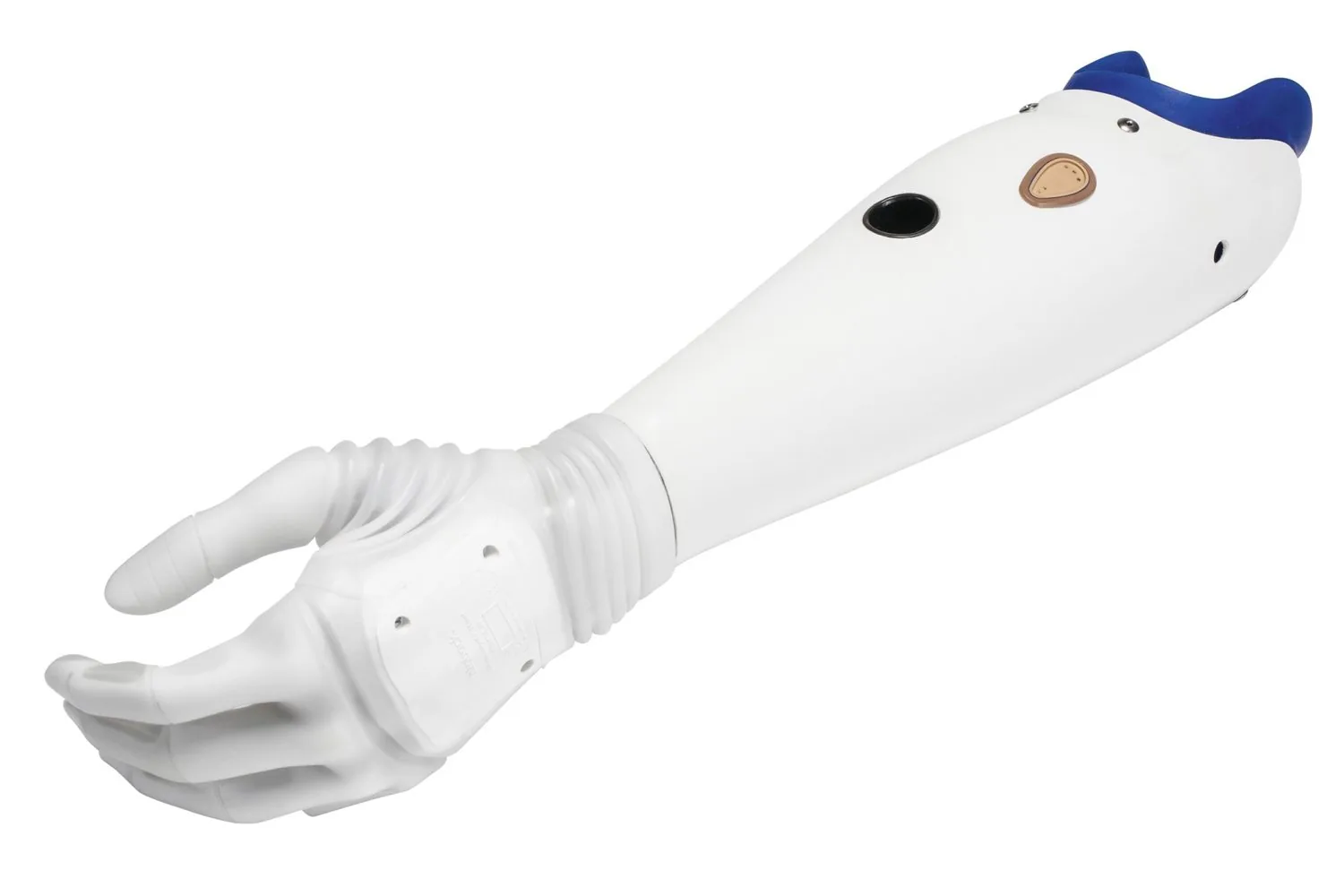
A standard myoelectric arm reads muscle signals through electrodes in the socket. After higher-level amputations there may be too few clear signals to drive everything a modern hand, wrist, and elbow can do. TMR reassigns nerves to spare muscles so that thinking about closing your hand actually contracts a muscle the prosthesis can sense. The result can be more separate control signals and, with pattern-recognition systems, more natural movement — for example, bending the elbow and closing the hand in one fluid motion instead of switching between them.
How TMR helps with pain
One of the most valuable findings about TMR is that it often reduces neuroma and phantom pain. Instead of hiding a painful nerve, the surgery gives the nerve somewhere to go, which appears to help it settle. Many people report meaningful relief, though results vary from person to person, and pain management is usually a combined effort with your medical team.
Who is a candidate?
TMR is considered for some upper- and lower-limb amputees, particularly those pursuing advanced myoelectric control or those struggling with nerve or phantom pain. Candidacy depends on your level of amputation, your overall health, the condition of your nerves and muscles, and your goals. The decision is made by your surgeon in coordination with your prosthetic team.
How Quantum fits in
TMR is a surgical procedure, so the operation itself is performed by a surgeon. Where we come in is everything around it: helping you understand whether advanced control is a realistic goal, collaborating with surgeons on the prosthetic plan, and designing, fitting, and tuning the myoelectric system afterward so the new signals translate into real-world function. We work closely with surgeons on techniques like TMR for exactly this reason.
What recovery looks like
TMR is not an instant switch. After surgery, the rerouted nerves need time — often several months — to grow into their new muscles and produce usable signals. During that window you heal, protect the site, and begin gentle therapy. As the signals mature, your prosthetic team maps them and tunes the myoelectric system to match, and an occupational therapist helps you learn to drive the new controls. Progress is gradual and personal, but many people find the payoff — smoother, more intuitive control and calmer nerves — well worth the patience.
How TMR compares with other options
TMR is one of a few approaches to the nerve problem after amputation. A traditional myoelectric arm without nerve surgery still works well for many people and remains a strong, lower-commitment choice. Newer techniques such as regenerative peripheral nerve interfaces (RPNI) pursue similar goals by wrapping a nerve in a small graft of muscle. Which path fits you depends on your amputation level, your goals for control, whether nerve pain is a factor, and your surgeon’s assessment. The point isn’t to chase the newest option — it’s to match the approach to your life.
Setting realistic expectations
TMR is a powerful tool, not a guarantee. Some people gain dramatically more intuitive control and major pain relief; others see a more modest improvement. Outcomes depend on your anatomy, how the nerves heal, the prosthetic system you pair it with, and the work you put into training. Going in with clear, realistic expectations — shaped by an honest conversation with your surgeon and prosthetist — is the best predictor of being satisfied with the result. We’d rather tell you the full picture than oversell a procedure.
Questions about your own situation? A free consult is the fastest answer
If you are weighing TMR or advanced upper-limb options, a conversation is the best starting point. Learn about our upper-limb prosthetics and prosthetic technology, or book a free consultation.