Common prosthetic problems — and how to solve them
Even a well-made prosthesis runs into snags, especially in the first year as your body changes. The encouraging news is that most problems are common, well understood, and fixable — usually without starting over. Here are the issues we see most often and what to do about them.
The short version
Most prosthetic complaints trace back to fit, skin, or volume changes in the limb. Don’t push through pain or skin breakdown — small, timely adjustments by your prosthetist solve most issues. Good daily habits prevent many of them in the first place.
Skin irritation and breakdown
Redness, blisters, or rubbing usually mean a fit or pressure problem, or a hygiene issue. Marks that fade quickly after you take the prosthesis off can be normal; marks that linger, open areas, or pain are not. Keep the skin and liner clean and dry, and have persistent irritation checked — a small socket adjustment often fixes it.
A socket that feels too loose or too tight
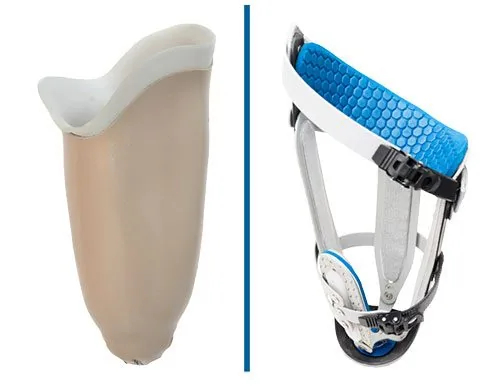
Your residual limb changes volume — over the day and over months — so fit can drift. If the socket feels loose, adding a sock ply can take up space; if it feels tight, removing one can help. These sock adjustments are a normal daily tool. When socks aren’t enough, it’s time for a fit check, and as the limb matures a new socket may be needed.
Sweating and odor
Sockets and liners trap heat, so sweating is common, particularly early on and in hot weather. Wash the liner inside every night and disinfect it about once a week (rubbing alcohol works well). Antiperspirant strategies and certain liner choices can help; ask your prosthetist if sweat is undermining your suspension.
Pain
Pain is a signal, not something to endure. It may come from a pressure point, a volume change, alignment, or nerve and phantom pain. The cause guides the fix — often a simple adjustment. Persistent or worsening pain deserves a visit rather than a workaround.
The prosthesis feels off or makes noise
A change in how the limb tracks, a new clicking or squeak, or a sense that the alignment is off can mean components need attention. Don’t ignore it — a quick check keeps a minor issue from becoming a bigger one.
Preventing problems
- Check your skin every day, especially where pressure is highest.
- Keep the liner and socket clean and dry; wash the liner nightly.
- Manage limb volume with the right sock ply and your shrinker as advised.
- Keep up your follow-up visits — many people are seen about four times a year.
- Report new pain, persistent marks, or fit changes early.
Adjustment, new socket, or new prosthesis?
Not every problem needs the same fix. Day-to-day volume changes are handled with sock plies. A persistent change in fit — especially in the first year as your limb matures — often calls for a new socket while keeping the rest of the prosthesis. A full replacement is usually about age and wear of the components, or a meaningful change in your activity or goals. Knowing which situation you’re in saves time and frustration, and a quick visit sorts it out fast. When in doubt, ask before living with discomfort. In rare cases where a comfortable socket simply cannot be achieved, osseointegration may be worth discussing.
Getting a second opinion
If you’ve been living with a socket that doesn’t feel right, you can ask another prosthetist to evaluate the fit. A second opinion isn’t a commitment to switch providers, and it doesn’t mean anything is wrong with your current care — fit is iterative, and a fresh set of hands sometimes sees something different. You don’t need to bring anything with you.
Hot weather, travel, and everyday curveballs
Heat makes you sweat, which can loosen suspension and irritate skin; a clean liner, the right socks, and sometimes a different suspension strategy help. Travel raises its own questions: carry a basic kit (extra socks, a spare liner if you have one, skin supplies), and give yourself time at security, where staff are used to prosthetic users. Long periods of sitting, swimming, and very cold weather each have simple workarounds. The theme is the same — small bits of preparation keep ordinary life ordinary.
Red flags worth a same-week call
Most issues can wait for your next routine visit, but a few deserve prompter attention: an open sore or blister that isn’t healing, a sudden change in how the limb fits, new warmth, swelling, or spreading redness, a component that fails or makes a new noise, or pain that’s steadily worsening. None of these are emergencies in most cases, but they’re easier and cheaper to fix early than late. When something feels off, a quick message or visit beats waiting and hoping it resolves on its own.
Questions about your own situation? A free consult is the fastest answer
If something isn’t right, we would rather see you sooner than later. Read our guide to liner and socket care or book a free consultation. Lower-limb prosthetics →