
Caring for your prosthetic liner and socket
Your liner and socket are the parts of your prosthesis that touch your skin all day, so keeping them clean and in good shape is one of the simplest, highest-impact habits you can build. A few minutes of daily care protects your skin, preserves your fit, and extends the life of your device. Here is a routine that works.
The short version
Wash the inside of your liner every night, disinfect it about once a week, keep the socket interior clean and dry, inspect both for wear, and check your skin daily. Clean, dry, intact gear is comfortable gear — and it prevents most skin problems.
Daily: clean your liner
Bacteria and sweat build up inside the liner every day, so wash the inside surface each night with mild soap and water, rinse thoroughly, and let it dry fully before the next use. Turn it inside out to clean the surface that touches your skin. Putting on a damp or dirty liner is a common cause of irritation and odor.
Weekly: disinfect
About once a week, disinfect the liner — wiping the inside with rubbing alcohol is a simple, effective method. This keeps bacteria in check beyond what daily washing does. Always let it dry completely before wearing.
Caring for the socket
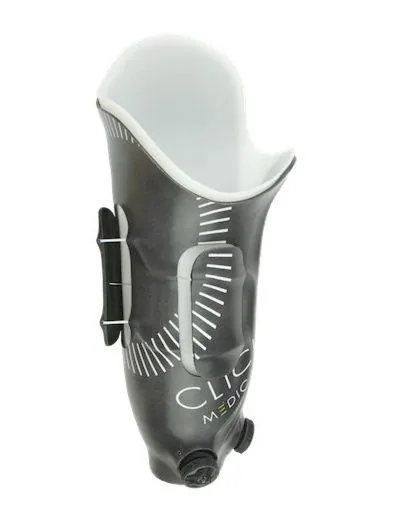
Wipe out the inside of the socket regularly to remove sweat and residue, and let it dry. Keep it away from extreme heat, which can affect some materials and any electronics. If your prosthesis has electronic components, follow the manufacturer’s guidance and keep them away from moisture unless they are rated for it. Curious how sockets are made in the first place? Our look at 3D-printed prosthetics and sockets explains where fabrication is heading.
Inspect for wear
Liners don’t last forever. Check yours for thinning, tears, cracks, or loss of stretch, and check the socket and suspension hardware for damage. Catching wear early prevents a sudden failure — and a worn liner that no longer seals can quietly undermine your fit and skin.
Check your skin
Look over your residual limb every day, especially where pressure is highest. Marks that fade soon after you remove the prosthesis are usually fine; lingering redness, blisters, or open areas mean something needs adjusting. Daily checks are your early-warning system.
When to call us
Reach out if a liner is worn or no longer seals, if the socket feels different, if you have persistent skin irritation, or if your fit has changed. These are quick to address and far easier to handle early.
Types of liners, and what they're made of
Liners aren’t all the same, and the material affects comfort and care. Silicone liners are durable and supportive; urethane liners flow to cushion bony or sensitive areas; and gel liners offer soft, forgiving cushioning. Each suits different limbs and activity levels, and your prosthetist matches the type to you. Knowing what yours is made of helps you care for it correctly — some materials prefer specific cleaners — so when in doubt, follow the manufacturer’s guidance and ask us if you’re unsure.
Making your gear last
A little routine stretches the life of expensive components. Rotate between two liners if you can, so each fully dries and recovers between wears. Keep liners and the socket away from extreme heat and sharp edges, store them clean and dry, and avoid lotions or products that aren’t recommended, since they can degrade the material. Most importantly, address small issues — a tiny tear, a fit that’s drifting — before they force an early, unplanned replacement. Good habits here protect both your skin and your budget.
Your quick daily and weekly checklist
Keeping it simple makes it stick. Every day: wash the inside of your liner with mild soap and water and let it dry fully; wipe out the socket; check your skin for marks that don’t fade. Every week: disinfect the liner with rubbing alcohol; inspect the liner, socket, and suspension for wear. Always: keep gear away from extreme heat, use only recommended products, and put on a fully dry liner. A few minutes a day prevents the great majority of skin and odor problems.
Questions about your own situation? A free consult is the fastest answer
We are happy to review your routine and your gear. Read about common prosthetic problems or book a free consultation. Technology & fabrication →