
Below-knee (transtibial) amputation: recovery and your prosthesis
A below-knee amputation — clinicians call it transtibial, meaning through the shin bone — is the most common major lower-limb amputation, and it has an encouraging track record. Because the knee is preserved, most people regain strong, efficient walking with a well-fitted prosthesis. This guide covers what recovery looks like and how the prosthesis comes together.
The short version
Keeping the knee is a big advantage: a below-knee prosthesis takes far less energy to use than an above-knee one. Recovery follows the familiar path of healing, a temporary prosthesis, training, and a definitive limb. With therapy and a good socket, the goal of comfortable, independent walking is realistic for most people.
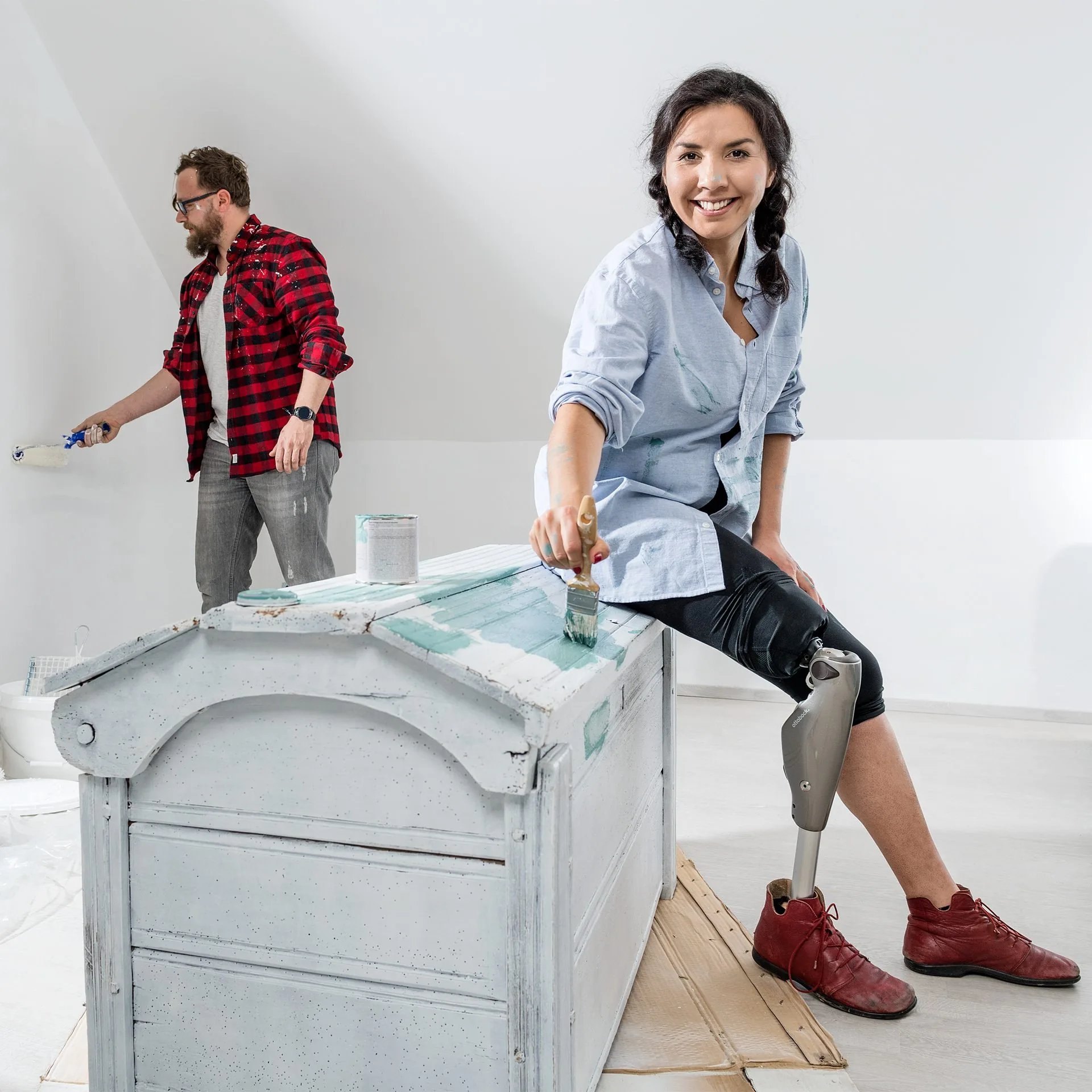
Why keeping the knee matters
Your own knee does a lot of the work of walking. Preserving it means the prosthesis only has to replace the foot and lower leg, which makes balance, control, and efficiency much easier. The difference is real: walking with a below-knee prosthesis takes only modestly more energy than walking on two natural legs, whereas an above-knee prosthesis takes substantially more.
Recovery, step by step
The early weeks focus on healing the incision, controlling swelling with a shrinker or wrapping, and gentle exercises to keep the knee and hip flexible and strong. Once the site is healed and swelling is down, you are fitted with a temporary prosthesis — built through casting, a test socket, and alignment with adjustable components. Because the limb is still changing shape, expect frequent adjustments at first.
How a below-knee prosthesis works
- Socket: the custom interface that holds the residual limb — the single most important part for comfort and control.
- Liner: a cushioning sleeve (often gel) that protects the skin and improves fit.
- Suspension: how the prosthesis stays on — suction, a pin lock, a sleeve, or vacuum, chosen to suit you.
- Foot: from steady everyday feet to dynamic, energy-returning and even microprocessor feet for more active users.
The role of therapy
Physical therapy is where walking is rebuilt: weight-bearing, balance, and a smooth, symmetrical gait, then stairs, slopes, and uneven ground. Strengthening the knee, hip, and core pays off in stability and stamina. How hard you work in therapy is one of the strongest predictors of how well and how soon you walk.
Living well afterward
Most people return to work, hobbies, and activity, including sport with the right setup — tell your prosthetist your goals so the design fits your life. Daily skin checks, liner hygiene, and routine follow-ups keep things comfortable. As your limb and needs change, components can be updated.
Choosing a foot for your life
The foot you walk on shapes how the whole prosthesis feels, and there are real choices. A basic, stable foot suits limited or careful walking. An energy-storing carbon-fiber foot flexes and gives a little push back with each step, which helps more active walkers cover ground with less effort. Multi-axis feet adjust to uneven ground, and microprocessor feet sense and adapt in real time for stairs and slopes. The right foot balances your activity level, your goals, and what your coverage supports — we’ll match it to how you actually live. For a deeper look at the categories, from basic feet to microprocessor ankles, see our guide to prosthetic feet and ankles.
Common early challenges — and how they're solved
The first months come with predictable bumps, nearly all of them fixable. Limb volume changes through the day, so you’ll learn to add or remove sock plies to keep the fit right. Skin needs time to toughen to the new demands, so we build wearing time gradually and watch pressure points. Gait can start uneven and smooths out with therapy and alignment tweaks. None of this means something is wrong — it’s the normal process of you and the prosthesis settling in together, with adjustments along the way.
How your prosthesis stays on: suspension options
Suspension is how the prosthesis grips your limb, and the right method makes a real difference in confidence. A pin lock uses a pin on the liner that clicks into the socket. Suction creates a seal that holds the limb snugly. A sleeve adds external suspension and security. Elevated vacuum actively manages volume and can improve fit consistency through the day. Each has trade-offs in security, ease of donning, and skin effects, and the best choice depends on your limb and lifestyle — we’ll trial options with you.
Questions about your own situation? A free consult is the fastest answer
We will assess your limb, talk through socket and foot options, and map out the path. Learn about our lower-limb prosthetics or book a free consultation.